Throughout countless generational spans,
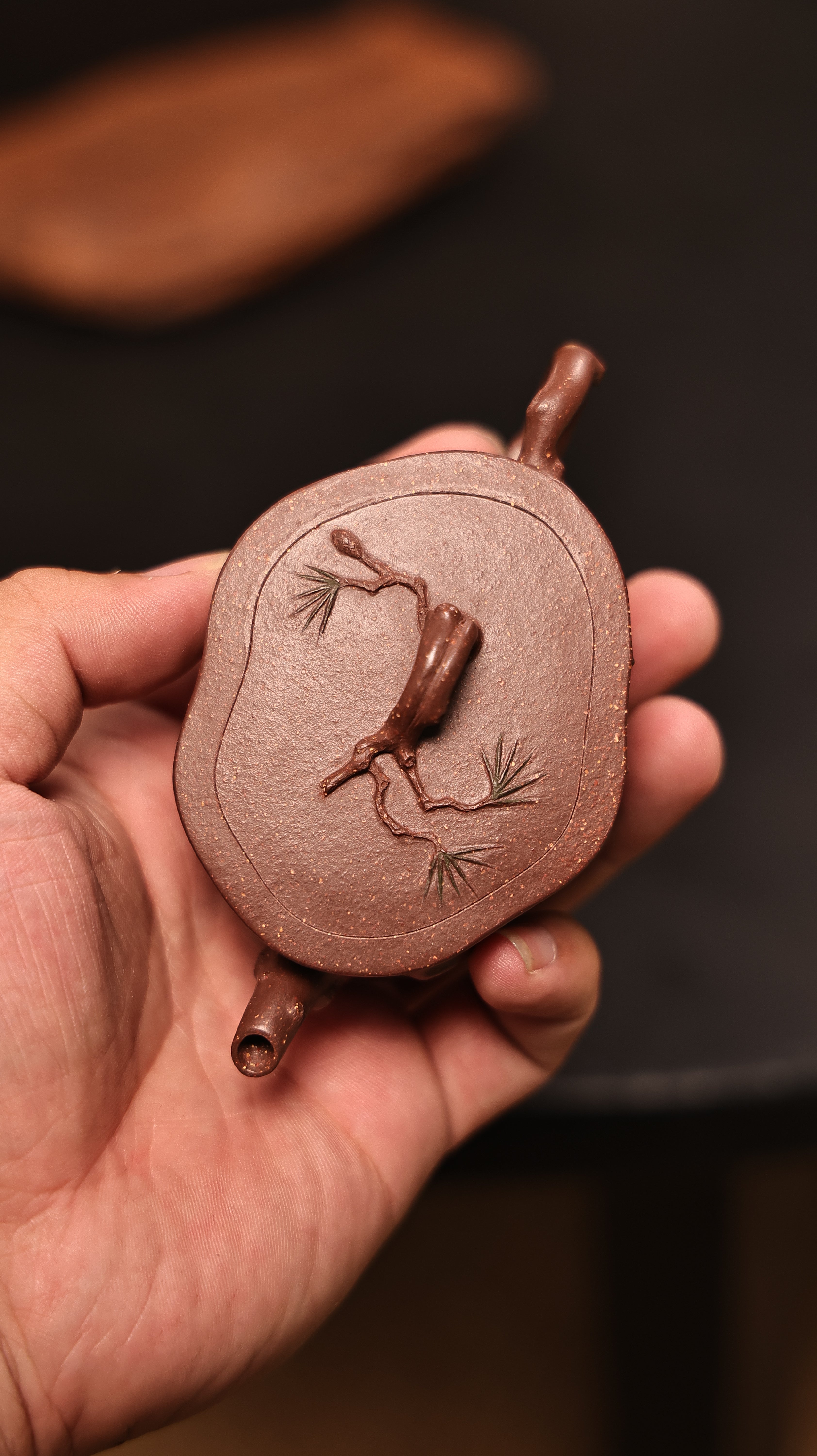
Following millennia, devotees have been engaged by the exceptional charm of Yixing Zisha pots. Originating from the realm of Yixing in the nation of China, these utensils are renowned for their remarkable beauty, infrequent clay, and essential ability to elevate the note of the brew. The earth's distinctive maroon hue, combined with the masterful creation of provincial builders, creates artworks that are both functional art and precious possessions. Purchasing a Zisha teapot is more than just every purchase; it's adopting a rich legacy heritage.
Grasping Yixing Teapots: Narrative, Forms, and Price
Celebrated Yixing teapots manifest a vast chronicle deeply intertwined with Chinese culture. Developing in the Yixing region of Jiangsu province, these clay vessels exhibit a heritage connecting back to the Ming Dynasty. Preceding examples were functional, but along centuries, Yixing teapot creation evolved into an esteemed art form. The clay itself, known for its unique grain and ability to augment the flavor of the tea, exists a defining factor. Yixing teapots appear in various forms, broadly categorized by shape: Historic such as Zhuni (purple clay) and Bisheng, as well as refined designs. The esteem of a Yixing teapot rests on several factors, including the potter’s renown, the age of the piece, the rarity of the clay, and its aesthetic quality.- History: Historic epoch
- Substance: Zhuni (purple clay)
- Assessment Factors: Rarity
Zisha Craftsmanship: Skills and Creators
One crafting of a authentic Zisha teapot is a elaborate process, requiring lengthy durations of proficiency. Skilled artisans meticulously identify the best Zisha clay, a distinctive earth found only in specific regions of China. Time-honored techniques, often transmitted through families, involve meticulous shaping, gentle carving, and steady firing in ancient hearths. The definitive teapot isn't merely a utensil; it's a testament to expressive vision and the profound connection between the potter and their inheritance. Each object showcases the distinctive touch of the maker, resulting in a truly unparalleled work of expression.
Traditional Pottery: Surveying the Vast Inheritances of the Yixing Locality
Yixing, placed in Jiangsu Province, is worldwide renowned for Zisha Teapot its exceptional vessels – a tangible representation of centuries of Chinese tradition. These aren't merely vessels for making tea; they are intricate works of craft, often reflecting traditional ideals. That unique purple clay, known as Zisha, possesses remarkable qualities: the element dense, porous, and imparts a subtle quality to the tea.
- Several bloodlines have honed the techniques of Yixing teapot making, passing down traditional methods through lineages.
- Devotees prize these pieces for their aesthetic and uniqueness.
- Particular vessel tells a account, connecting the imbiber to a rich history.
Acquiring Yixing Zisha: Guiding Points
Considering assessing buying Yixing Zisha earthen pots, various aspects command careful evaluation. To begin with, the element's shade is paramount; authentic Zisha generally exhibits a definite reddish-brown gradient. Moreover, review the handiwork; detailed features and a sleek covering reveal proficient craft. Concluding, research the maker’s background; esteemed names bring higher values and often supply a secure return.
Zisha Teapot Tea Brewing Mastery
Creating exquisite tea with a Zisha vessel is more beyond a simple technique; it's an science. Zisha clay, distinguished for its unique natural composition, imparts a refined character to the processed tea that’s often not found with other materials. The fitting water heat is vital; typically, gentler than what's used for black tea, to sustain the tea's odor and nuance. Consider mindfully the tea variety; delicate green teas or aged pu-erhs benefit from the Zisha’s ability to reduce their primitive edge. It’s essential to preheat the teapot ahead of brewing, and to avoid over-steeping. Mastering this art leads to a authentically exceptional tea event.
- Knowing Zisha Clay
- Thermal Condition of Water & Tea Category
- Benefit of Warming
Looking After Your Famous Clay Pot
In an effort to ensure the persistence of your valuable Yixing earthenware, careful protection is vitally required. Refrain from using chemical cleaners; instead, delicately purify it with mildly heated solution. Dodge unexpected temperature; please don't rest the kettle directly onto a hot foundation. Periodically, mature the urn by immersing it with choice fermented tea, as this supports to enhance its patina and guards the inherent essentials of the material.
With respect to Soil to Container: The Course of a Purple Vessel
A creation of a Zisha teapot is a noteworthy technique, a symbol to both the earth's bounty and the expertise of the artisan. It commences with the diligent extraction of the unique clay from the magenta Zisha mines near Yixing. This natural material, known for its exquisite qualities, is then patiently cleaned and arranged for the original forming. The container's configuration is adeptly assembled using a mix of historical forming methods, often incorporating elaborate decorations. Following seasoning, the pot undergoes a crucial first firing, complemented by a layering stage, which might involve several layers of earthy Zisha overlays. Finally, a second, and sometimes third, firing at maximum temperatures brings the work, revealing its conclusive beauty and superlative characteristics - a veritable masterpiece, ready to enhance a tea gathering.
{Yixing Teapots: A Sign of the Legacy and Valuation
Yixing teapots, originating from the famed Yixing region of Jiangsu province, are far more than mere pots for brewing infusions; they represent a meaningful aspect of Chinese society. Manufactured from distinctive purple clay – zisha – these unique teapots are highly esteemed for their ability to complement the flavor of the tea and, crucially, for their splendor. The legacy of Yixing teapot making spans centuries, and the craft involved is transmitted through generations, making each teapot a cultural artifact that embodies time-honored techniques and a profound appreciation for the elegant pleasures in life.